Blogs

Eating Disorders

Eating Disorders: An eating disorder can be defined as “any of a range of psychological disorders characterized by abnormal or disturbed eating habits.” (Dictionary, 2018) There are many types of eating disorders the most common are Anorexia Nervosa, Bulimia Nervosa, and Binge Eating Disorder. Eating Disorders can affect both men and women.

woman girl jeans clothes
Photo by Public Domain Pictures on Pexels.com

Anorexia Nervosa: An eating disorder characterized by low weight, fear of gaining weight and a strong desire to be thin, resulting in not eating. (Wiki, 2018) Anorexia can be treated through Diet and Nutrition, Medication, Therapy and in severe cases admission to hospital.

Symptoms of Anorexia Nervosa Include:

  • Extreme Weight Loss
  • Thin Appearance
  • Abnormal Blood Counts
  • Seizures
  • Fainting
  • Constipation

(TKnolls, 2018)

Bulimia Nervosa: A potentially life threatening eating disorder characterized by episodes of binge eating and then self- induced vomiting. (NEDA, 2018)


Symptoms of Bulimia Nervosa Include:

  • Uncomfortable eating in public and around others
  • Weight loss
  • Disappears after eating
  • Skips Meals
  • Muscle Weakness
  • Yellow Skin


Continue reading “Eating Disorders”

Depression

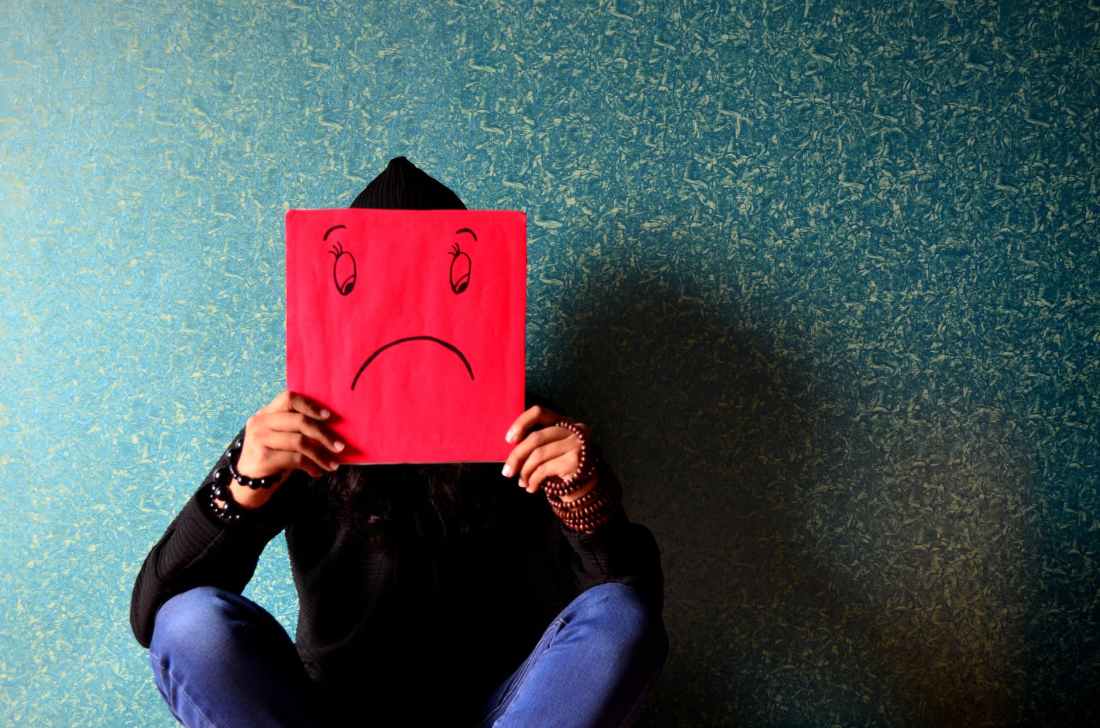
Depression: Depression (major depressive disorder) can be defined as “a common and serious medical illness that negatively affects how you feel, the way you think and how you act.” (APA, 2018) Depression causes high feeling of sadness and a loss in interest in things they once enjoyed. Depression can also lead to problems both emotionally and physically and can put a strain on relationships in home and at work.

adult art conceptual dark
Photo by Pixabay on Pexels.com

Symptoms of Depression:

  • Feeling sad or depressed
  • Changes in appetite- weight loss
  • Trouble sleeping or sleeping too much
  • Feeling worthless or guilty
  • Difficulty Concentrating and Thinking
  • Thoughts of death or Suicide

Symptoms must last at least 2 weeks in order to be diagnosed with Depression.

Depression can be treated with drugs such as ‘Anti-depressants’ and Cognitive Behavior Therapy. Psychotherapy (Talk-Therapy) can be used to treat mild depression.

Continue reading “Depression”

Bipolar

Bipolar: Bipolar can be defined as “a mental condition marked by alternating periods of elation and depression.” (Dictionary, 2018) Bipolar symptoms vary and can include:


  • Excessive happiness, hopefulness, and excitement
  • Sudden changes from being joyful to being irritable, angry, and hostile
  • Restlessness
  • Rapid speech and poor concentration
  • Making grand and unrealistic plans

(WebMD, 2018)

addiction antibiotic capsules cure
Photo by Pietro Jeng on Pexels.com

Bipolar disorder is a long-term condition and can be treated on an ongoing basis. The most popular treatment would be medication which typically includes “mood stabilizers” and anti-psychotic drugs.

Bipolar normally begins to develop in late adolescents or young adulthood and can run in families.


Continue reading “Bipolar”

Anxiety

Anxiety: Although there are many forms of anxiety disorders such as Social Anxiety and PTSD (Post Traumatic Stress Disorder) The definition of a Generalized Anxiety Disorder (GAD) would mean “having regular or uncontrollable worries about many different things in your everyday life.”  (Mind, 2013)

woman covering her right eye using her right hand during daytime
Photo by Pham Khoai on Pexels.com

Anxiety can not only have an impact on the mind but it can have an impact on the body too. Anxiety feels different for everyone and so not everyone experiences the same symptoms.

Anxiety Symptoms:

Effects on the Body:

  • Churning feeling in stomach
  • Feel light-headed or dizzy
  • Pins and Needles
  • Problems Sleeping
  • Sweaty or Hot Flushes
  • Fast Breathing

Effects on the Mind:

  • Unable to Relax
  • Nervous
  • Worrying about Anxiety Itself
  • Needing a lot of reassurance
  • Losing touch with Reality

Although an Anxiety Disorder can be quite hard to handle there are a lot of coping mechanisms that can help, a few include exercise, keeping busy, reading a book, and socializing with friends.

Continue reading “Anxiety”

What is Mental Health?

In this blog post i will discuss what is mental health and the help and support out there. so to begin with, What is mental Health?

Mental health is a level of psychological well-being or an absence of mental illness. It is the “psychological state of someone who is functioning at a satisfactory level of emotional and behavioral adjustment”. (Wikipedia, 2018)

alone man person sadness
Photo by Pixabay on Pexels.com

When people do not have a satisfactory level of emotional and behavioral adjustment, they are known to have a ‘mental illness’. What different mental health disorders can people have?

Anxiety: Although there are many forms of anxiety disorders such as Social Anxiety and PTSD (Post Traumatic Stress Disorder) The definition of a Generalized Anxiety Disorder (GAD) would mean “having regular or uncontrollable worries about many different things in your everyday life.”  (Mind, 2013)

Bipolar: Bipolar can be defined as “a mental condition marked by alternating periods of elation and depression.” (Dictionary, 2018) Bipolar symptoms vary and can include:

  • Excessive happiness, hopefulness, and excitement
  • Sudden changes from being joyful to being irritable, angry, and hostile
  • Restlessness
  • Rapid speech and poor concentration
  • Making grand and unrealistic plans

(WebMD, 2018)

Depression: Depression (major depressive disorder) can be defined as “a common and serious medical illness that negatively affects how you feel, the way you think and how you act.” (APA, 2018) Depression  causes high feeling of sadness and a loss in interest in things they once enjoyed. Depression can also lead to problems both emotionally and physically and can put a strain on relationships in home and at work.

Eating Disorders: An eating disorder can be defined as “any of a range of psychological disorders characterized by abnormal or disturbed eating habits.” (Dictionary, 2018) There are many types of eating disorders the most common are Anorexia Nervosa, Bulimia Nervosa, and Binge Eating Disorder. Eating Disorders can affect both men and women.


Continue reading “What is Mental Health?”

Introduction

Hi everyone so as part of my studies in the Institute of Technology Tralee, i have to make a blog for my social media tools project. This page is only for educational purposes and i decided to do my blog on mental health as it is something i am quite passionate about. I would love for you to follow me on my journey and i thank you for your time and support  The theme of my site is yellow because i believe yellow to be a positive color that promotes happiness, good mental health, and well being.

The blog is going to talk about different aspects of mental health but it is mainly set up to provide knowledge and break down the taboo surrounding mental health, i will be posting 2 blogs a week and i will hopefully be posting a video on my YouTube channel once a week as well. You can find the links to follow all of my social media channels at the bottom of the site. Hope you enjoy 🙂